How to Avoid the Biggest Diesel Engine Rebuild Pitfalls
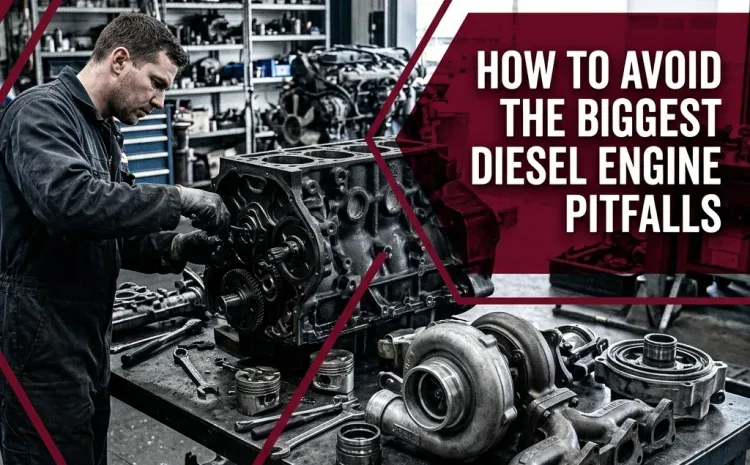
When your truck hits the point where a diesel engine rebuild is the only way forward, it’s easy to feel a sense of dread. Whether you’re running a high-mileage Cummins, a workhorse Duramax, or a Powerstroke that’s finally seen better days, the rebuild process is a significant investment. It is the difference between getting another 300,000 miles out of your rig or ending up back on a tow truck three months from now because a shortcut was taken.
At Durastroke Mechanical in Manheim, PA, we see the aftermath of “budget” rebuilds far too often. Rebuilding a diesel engine isn’t just about swapping parts; it’s about precision, specialized knowledge, and honest diesel diagnostics. If you’re looking for diesel repair near me, you need to know what pitfalls to avoid before the first bolt is turned.
The Danger of Incomplete Diesel Diagnostics
The biggest pitfall happens before the engine is even out of the frame: misdiagnosing the root cause of the failure.
Many shops see a low-compression cylinder and immediately quote a full rebuild. However, at Durastroke Mechanical, we believe in honest diagnostics. Is the failure due to a high-pressure fuel system issue, a cooling system failure, or simply a worn-out ring? If you rebuild the engine but don’t address the faulty injector or the clogged radiator that caused the meltdown in the first place, your “new” engine is already on a countdown to failure.
Before committing to a rebuild, ensure your technician has performed a thorough evaluation. This includes checking for water in fuel contamination or investigating check engine light issues that might point to external systems.

Pitfall 1: “Eyeballing” Instead of Measuring
In the world of diesel engines, “looks good” isn’t a measurement. The tolerances in a modern 6.7L Powerstroke or a 6.6L Duramax are incredibly tight. One of the most common mistakes in a DIY or low-quality rebuild is failing to use precision tools like micrometers and dial bore gauges.
- Cylinder Taper: A cylinder might look smooth, but it could be tapered or out-of-round by a few thousandths of an inch. If it isn’t bored or honed correctly, your new rings will never seat.
- Crankshaft Journals: Your eye cannot see 0.0005″ of wear on a journal. If the crank is out of spec, you’ll spin a bearing within the first few thousand miles.
- Deck Flatness: Diesel engines operate under immense cylinder pressure. If the block deck or cylinder head isn’t perfectly flat, you are guaranteed a head gasket failure.
Pitfall 2: Reusing “One-Time Use” Fasteners
Cutting corners on hardware is a recipe for disaster. Many critical bolts in diesel engines are Torque-to-Yield (TTY). This means they are designed to stretch once to provide maximum clamping force.
If a shop reuses head bolts or rod bolts to save a few hundred dollars, they are compromising the structural integrity of your engine. Once a TTY bolt has been stretched, it loses its “spring” and will not hold the same tension a second time. At Durastroke Mechanical, we insist on new high-quality fasteners: and often recommend upgrading to ARP studs for Powerstroke and Cummins builds to ensure the heads stay put under heavy load.
Pitfall 3: Ignoring Engine-Specific Weak Points
Every engine platform has its own “personality” and common failure points. A generic engine builder might treat a Cummins the same as a Duramax, but specialized diesel expertise matters.
Powerstroke Pitfalls (6.0L, 6.4L, 6.7L)
Powerstrokes are notorious for cooling system and oil filtration issues. Rebuilding a 6.0L or 6.4L without addressing the oil cooler or the EGR system is a waste of money. On the 6.7L, we focus heavily on the high-pressure fuel pump (CP4) and ensuring the DEF and DPF systems are functioning so the engine doesn’t choke on its own soot.
Cummins Pitfalls
The 5.9L and 6.7L Cummins are legendary, but they aren’t bulletproof. Common issues include “killer dowel pins” (on older models) and heat soak issues on the #6 cylinder. A quality rebuild involves ensuring the cooling passage to the back of the block is clear and the fuel injectors are balanced.
Duramax Pitfalls
Duramax engines often suffer from water pump failures and head gasket issues (especially the LLY and LB7 generations). During a rebuild, we pay close attention to the injector cups and the fuel housing to prevent air-in-fuel issues that can mimic engine failure.

Pitfall 4: The “Gently-Gently” Break-In Myth
There is a common misconception that you should “baby” a rebuilt diesel engine for the first 5,000 miles. This is actually one of the worst things you can do.
To get the piston rings to seat against the cylinder walls, you need combustion pressure. If you idle the truck too much or drive it too lightly, the cylinder walls can develop a “glaze.” Once glazed, the rings will never seat, and you’ll deal with excessive oil consumption and “blow-by” for the rest of the engine’s life.
How to break in a diesel engine correctly:
- Avoid Extended Idling: Start it, check for leaks, and get it on the road.
- Use Conventional Oil: Do not switch to synthetic oil immediately. Conventional oil allows for the necessary friction to seat the rings.
- Apply a Load: Within the first 100 miles, you should ideally be pulling a trailer or driving on varying terrain. You want the engine to work, which forces the rings against the walls.
- Vary the RPM: Don’t sit at one speed on the highway for three hours. Change gears and vary your speeds to cycle the engine through its load range.
Pitfall 5: Choosing the Wrong Shop
The “cheapest” quote for a diesel engine rebuild is almost always the most expensive in the long run. When searching for diesel repair near me, look for a shop that specializes in diesel, not a general repair garage that “also does trucks.”
At Durastroke Mechanical in Manheim, PA, we live and breathe diesel. Our about us page highlights our commitment to straightforward, no-nonsense service. We don’t just throw parts at a problem; we use advanced diesel diagnostics to ensure your truck is fixed right the first time.

Summary of Rebuild Best Practices
To ensure your engine lasts another decade, follow these non-negotiables:
- Insist on a “Clean Room” Assembly: Dirt is the enemy of engine bearings. The assembly area must be spotless.
- Verify the Machine Work: Ensure the shop uses a reputable machinist who understands diesel tolerances.
- Replace the “While You’re In There” Parts: Don’t put a 200,000-mile water pump or oil pump back on a fresh long block.
- Document Everything: Keep records of clearances, torque specs used, and part numbers for future maintenance.
Trust the Local Experts in Manheim, PA
A diesel engine is a complex piece of machinery that requires a specialized touch. Whether you need a full rebuild or you’re just starting to see warning lights on your dash, getting a professional opinion early can save you thousands.
Don’t let a “pitfall” turn your truck into a lawn ornament. For honest advice and expert diesel engine rebuilds, reach out to us at Durastroke Mechanical. We’re here to keep your Powerstroke, Cummins, or Duramax on the road where it belongs.
Ready to get started? Contact us today to schedule a diagnostic appointment and let’s get your rig back in peak condition.